


When it comes to working at heights, vertical mast lifts are a popular choice for many industries. These machines offer a stable and efficient way to reach elevated areas, making them ideal for tasks such as maintenance, construction, and installation. However, like any piece of equipment, vertical mast lifts have their limitations, and one of the key considerations is visibility. In this blog post, we'll explore the visibility limitations when using a vertical mast lift and how you can mitigate them.
As a supplier of Vertical Mast Lift, we understand the importance of safety and efficiency in the workplace. Our vertical mast lifts are designed to provide operators with a clear line of sight and maximum visibility, but there are still some factors that can affect visibility.
Factors Affecting Visibility
1. Mast Structure
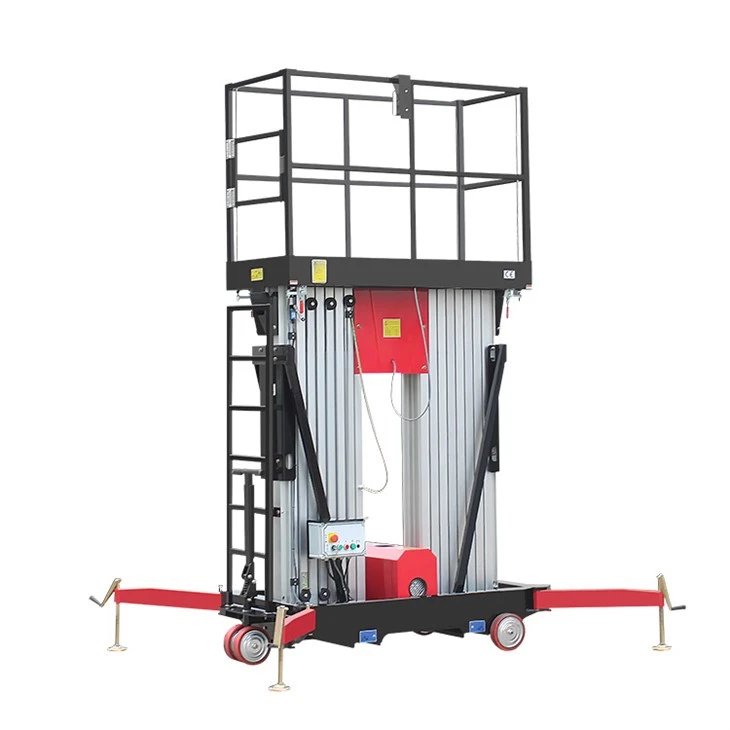
The mast of a vertical mast lift is a critical component that provides support and stability. However, it can also obstruct the operator's view, especially when the lift is extended to its maximum height. The mast's design and size can vary depending on the model and manufacturer, but in general, a larger mast will have a greater impact on visibility.
2. Platform Design
The platform of a vertical mast lift is where the operator stands or sits while working at height. The design of the platform can also affect visibility, especially if it has a high railing or other obstructions. Some platforms may also have a limited field of view due to their shape or size.
3. Environmental Conditions
Environmental conditions such as weather, lighting, and dust can also affect visibility when using a vertical mast lift. For example, fog, rain, or snow can reduce visibility, making it more difficult for the operator to see the work area. Similarly, low light conditions can make it challenging to see clearly, especially at night or in dimly lit areas.
4. Operator Position
The position of the operator on the platform can also affect visibility. If the operator is sitting or standing in a position that blocks their view, they may have difficulty seeing the work area. It's important for operators to adjust their position on the platform to ensure they have a clear line of sight.
Mitigating Visibility Limitations
1. Choose the Right Lift
When selecting a vertical mast lift, it's important to choose a model that offers good visibility. Look for lifts with a narrow mast and a platform design that provides a clear line of sight. Some models may also have features such as adjustable platforms or tiltable masts that can improve visibility.
2. Use Mirrors and Cameras
Many modern vertical mast lifts are equipped with mirrors and cameras to improve visibility. Mirrors can be used to see behind the lift, while cameras can provide a live feed of the work area. These features can be especially useful when working in tight spaces or when the operator's view is obstructed.
3. Maintain a Clear Work Area
Before using a vertical mast lift, it's important to clear the work area of any obstacles or debris that could obstruct the operator's view. This includes removing any equipment, tools, or materials that are not needed for the job. Keeping the work area clean and organized can also help improve visibility.
4. Train Operators
Proper training is essential for ensuring the safe and efficient use of vertical mast lifts. Operators should be trained on how to operate the lift safely, including how to adjust the platform and mast for optimal visibility. They should also be trained on how to use any mirrors or cameras that are installed on the lift.
5. Follow Safety Guidelines
In addition to proper training, operators should also follow all safety guidelines when using a vertical mast lift. This includes wearing appropriate personal protective equipment (PPE), such as a hard hat and safety harness, and following all safety procedures and protocols. By following these guidelines, operators can help ensure their safety and the safety of others on the job site.
Conclusion
Visibility is an important consideration when using a vertical mast lift. While there are some limitations to visibility, there are also several ways to mitigate these limitations and ensure the safe and efficient use of the lift. By choosing the right lift, using mirrors and cameras, maintaining a clear work area, training operators, and following safety guidelines, you can help ensure that your vertical mast lift is used safely and effectively.
If you're in the market for a vertical mast lift, we invite you to contact us to learn more about our products and services. Our team of experts can help you choose the right lift for your needs and provide you with the support and training you need to use it safely and effectively.

References
- OSHA. (2019). Powered Industrial Trucks. Retrieved from https://www.osha.gov/laws-regs/regulations/standardnumber/1910/1910.178
- ANSI. (2019). A92.20 - Mobile Elevating Work Platforms. Retrieved from https://www.ansi.org/standards/search
- Manufacturer's Manuals. (2021). Vertical Mast Lift Operation and Maintenance Manuals. Retrieved from various manufacturers' websites.


