


Can a Tracked Man Lift be used on wet ground?
As a supplier of tracked man lifts, one of the most frequently asked questions I encounter is whether a tracked man lift can be used on wet ground. This is a crucial question, as the working conditions of construction sites and other relevant environments often involve wet surfaces, and the safety and efficiency of equipment operation are directly related to this issue.
Understanding Tracked Man Lifts
Before delving into the question of using tracked man lifts on wet ground, it's essential to understand what a tracked man lift is. A tracked man lift is a type of aerial work platform designed to provide access to elevated areas. It is equipped with tracks instead of wheels, which offer several advantages. Tracks distribute the weight of the lift more evenly over the ground, providing better stability and traction compared to wheeled lifts. This makes them suitable for various terrains, including rough and uneven surfaces.
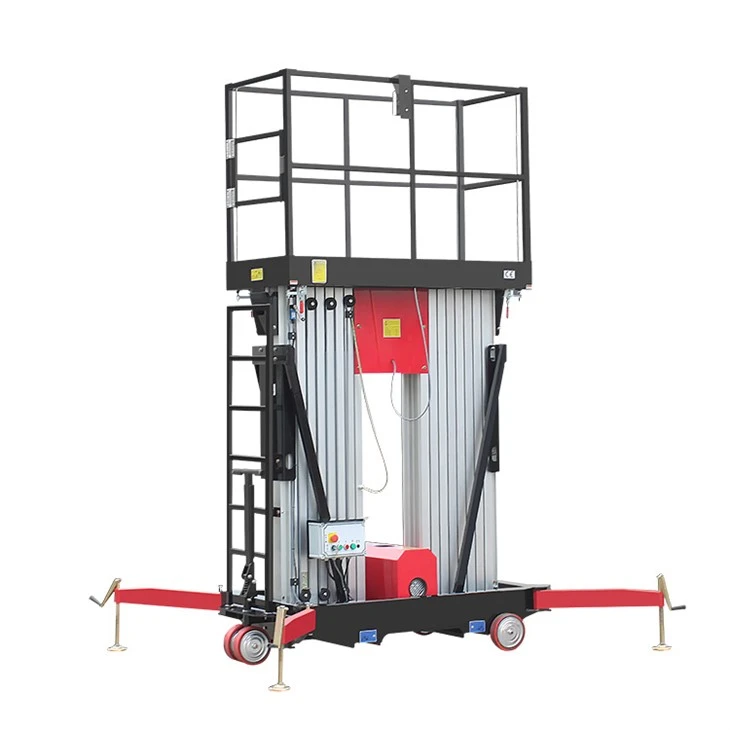
There are different types of man lifts, such as 1 Man Lifts, Vertical Mast Lift, and Telescopic Man Lift. Each type has its own features and applications, but they all share the common goal of providing safe and efficient access to elevated work areas.
Factors to Consider When Using a Tracked Man Lift on Wet Ground
When considering using a tracked man lift on wet ground, several factors need to be taken into account.
Traction and Stability
The most significant concern when using a tracked man lift on wet ground is traction. Wet surfaces can reduce the friction between the tracks and the ground, increasing the risk of slippage. This can lead to instability, which is extremely dangerous, especially when the lift is in an elevated position. However, modern tracked man lifts are designed with features to enhance traction. For example, the tracks are often made of materials with high friction coefficients, and the tread patterns are designed to channel water away from the contact area, improving grip on wet surfaces.
Weight Distribution
Proper weight distribution is crucial for the stability of a tracked man lift. On wet ground, uneven weight distribution can cause the lift to tip over more easily. Operators need to ensure that the load is evenly distributed on the platform and that the lift is not overloaded. Additionally, the center of gravity of the lift should be kept within the safe operating range to maintain stability.
Surface Condition
The type of wet surface also plays a role. For example, a wet concrete surface may provide better traction than a muddy or sandy surface. Mud can clog the tracks, reducing their effectiveness, while sand can cause the tracks to sink. Before using the lift on wet ground, it's important to assess the surface condition and take appropriate measures, such as using additional stabilizers or adjusting the operating speed.
Weather Conditions
In addition to the wetness of the ground, weather conditions such as wind can also affect the stability of the lift. Strong winds can exert additional forces on the elevated platform, increasing the risk of tipping. It's important to check the weather forecast before operating the lift and avoid using it in adverse weather conditions.
Safety Precautions
If you decide to use a tracked man lift on wet ground, it's essential to take the following safety precautions:
Inspect the Equipment
Before each use, thoroughly inspect the tracked man lift to ensure that it is in good working condition. Check the tracks for any signs of wear or damage, and make sure that all safety features, such as the emergency stop button and the safety harness attachment points, are functioning properly.
Train the Operators
Operators should receive proper training on how to operate the tracked man lift safely, especially on wet ground. They should be familiar with the equipment's capabilities and limitations, as well as the safety procedures to follow in case of an emergency.
Use Additional Stabilizers
In some cases, using additional stabilizers can help improve the stability of the lift on wet ground. These stabilizers can provide extra support and prevent the lift from tipping over.
Monitor the Conditions
During operation, continuously monitor the ground conditions and the performance of the lift. If you notice any signs of instability or slippage, stop the operation immediately and take appropriate measures.
Case Studies
Let's look at some real - world examples to illustrate the use of tracked man lifts on wet ground.
In a construction project in a coastal area, where the ground was often wet due to high humidity and occasional rain, a tracked man lift was used to install signage on a building. The operators followed all the safety precautions, including inspecting the equipment, using additional stabilizers, and adjusting the operating speed. Despite the wet ground, the lift was able to operate safely and efficiently, completing the task on time.
On the other hand, in another project, a contractor failed to assess the ground condition properly and used a tracked man lift on a muddy surface. The tracks became clogged with mud, and the lift lost traction, resulting in a minor accident. This incident highlights the importance of proper assessment and safety measures when using a tracked man lift on wet ground.
Conclusion
In conclusion, a tracked man lift can be used on wet ground, but it requires careful consideration and proper safety measures. The design features of modern tracked man lifts, such as high - friction tracks and effective weight distribution, can help improve traction and stability on wet surfaces. However, operators need to be aware of the potential risks and take appropriate precautions to ensure safe operation.

If you are in the market for a tracked man lift or have any questions about using them on wet ground, we are here to help. Our team of experts can provide you with detailed information and guidance to ensure that you make the right choice for your specific needs. Contact us today to start a discussion about your requirements and explore the possibilities of using our high - quality tracked man lifts.
References
- "Aerial Work Platforms: Safety and Operation Guidelines", National Safety Council
- "Tracked Man Lift Technical Manuals", Industry - leading manufacturers


