


Transporting a drivable boom lift can be a bit of a headache, but with the right knowledge and preparation, it can be a smooth process. As a drivable boom lift supplier, I've seen firsthand the challenges and considerations that come with moving these powerful machines from one place to another. In this blog post, I'll share some tips and insights on how to transport a drivable boom lift safely and efficiently.
Understanding Your Boom Lift
Before you start thinking about transportation, it's crucial to understand the specific requirements of your drivable boom lift. Different models have different dimensions, weights, and features, which can all affect the transportation process. For example, a Small Boom Lift will be much easier to transport than a large, heavy-duty model.
Take the time to review the manufacturer's specifications for your boom lift. This will give you important information about its weight, dimensions, and any special requirements for transportation. Make sure you know the maximum height, width, and length of the boom lift, as well as its weight when fully loaded. This information will be essential when choosing the right transportation method and equipment.
Choosing the Right Transportation Method
There are several options for transporting a drivable boom lift, each with its own advantages and disadvantages. The choice of transportation method will depend on factors such as the distance of the move, the size and weight of the boom lift, and your budget.
Flatbed Truck
One of the most common ways to transport a drivable boom lift is by using a flatbed truck. Flatbed trucks are versatile and can accommodate a wide range of boom lift sizes. They offer a large, open platform that allows for easy loading and unloading of the boom lift.
When using a flatbed truck, it's important to secure the boom lift properly to prevent it from shifting during transit. Use heavy-duty straps or chains to secure the boom lift to the truck bed. Make sure the straps or chains are tight and that the boom lift is centered on the truck bed to distribute the weight evenly.
Lowboy Trailer
For larger or heavier boom lifts, a lowboy trailer may be a better option. Lowboy trailers are designed to carry heavy equipment and have a lower deck height, which makes it easier to load and unload the boom lift. They also provide better stability during transportation.
Similar to a flatbed truck, you'll need to secure the boom lift to the lowboy trailer using straps or chains. Make sure to follow the manufacturer's guidelines for securing the boom lift to ensure its safety during transit.
Towable Boom Lift
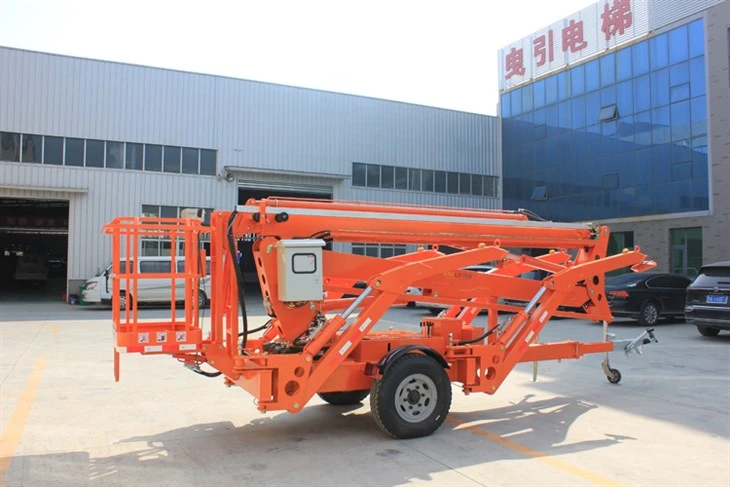
If you have a 50ft Towable Boom Lift, you may be able to transport it using a tow vehicle. Towable boom lifts are designed to be easily towed behind a truck or SUV. They typically come with a hitch and can be connected to the tow vehicle using a standard trailer hitch.
When towing a boom lift, it's important to make sure the tow vehicle is capable of handling the weight of the boom lift. Check the tow vehicle's towing capacity and make sure it is sufficient for the boom lift you are transporting. Also, make sure to follow all traffic laws and regulations when towing the boom lift.
Preparing the Boom Lift for Transportation
Before you transport the boom lift, it's important to prepare it properly to ensure its safety and prevent any damage during transit. Here are some steps to follow:
Inspect the Boom Lift
Before loading the boom lift onto the transportation vehicle, conduct a thorough inspection of the boom lift. Check for any damage or leaks, and make sure all components are in good working condition. If you notice any issues, address them before transporting the boom lift.

Lower the Boom
Lower the boom of the boom lift to its lowest position. This will reduce the height of the boom lift and make it easier to transport. Make sure the boom is securely locked in place to prevent it from moving during transit.
Drain Fluids
If possible, drain the fluids from the boom lift, such as fuel, oil, and hydraulic fluid. This will reduce the weight of the boom lift and prevent any spills during transportation. Make sure to follow the manufacturer's guidelines for draining the fluids.
Remove Accessories
Remove any accessories or attachments from the boom lift, such as tools, platforms, or safety equipment. This will reduce the weight of the boom lift and make it easier to load and unload. Store the accessories in a safe place during transportation.
Loading and Unloading the Boom Lift
Loading and unloading the boom lift is a critical step in the transportation process. It's important to follow the proper procedures to ensure the safety of the boom lift and the people involved.
Loading the Boom Lift
When loading the boom lift onto the transportation vehicle, use a ramp or lift to raise the boom lift onto the truck bed or trailer. Make sure the ramp or lift is stable and secure. Slowly drive the boom lift onto the ramp or lift, and then onto the truck bed or trailer.
Once the boom lift is on the truck bed or trailer, secure it using straps or chains. Make sure the straps or chains are tight and that the boom lift is centered on the truck bed or trailer to distribute the weight evenly.
Unloading the Boom Lift
When unloading the boom lift, reverse the loading process. Use a ramp or lift to lower the boom lift from the truck bed or trailer. Make sure the ramp or lift is stable and secure. Slowly drive the boom lift off the ramp or lift and onto the ground.
Safety Considerations
Transporting a drivable boom lift involves some risks, so it's important to take the necessary safety precautions. Here are some safety tips to keep in mind:
Follow Traffic Laws
When transporting the boom lift, make sure to follow all traffic laws and regulations. This includes obeying speed limits, using turn signals, and following the rules of the road.
Secure the Boom Lift Properly
As mentioned earlier, it's important to secure the boom lift properly to prevent it from shifting during transit. Use heavy-duty straps or chains to secure the boom lift to the transportation vehicle. Make sure the straps or chains are tight and that the boom lift is centered on the truck bed or trailer to distribute the weight evenly.
Use Proper Equipment
Make sure you are using the right equipment for transporting the boom lift. This includes a suitable transportation vehicle, such as a flatbed truck or lowboy trailer, and the necessary straps or chains for securing the boom lift.
Train Your Staff
If you have employees who will be involved in the transportation process, make sure they are properly trained. They should know how to load and unload the boom lift safely, how to secure it properly, and how to follow all safety procedures.
Conclusion
Transporting a drivable boom lift can be a challenging task, but with the right knowledge and preparation, it can be done safely and efficiently. By understanding your boom lift, choosing the right transportation method, preparing the boom lift for transportation, and following the proper safety procedures, you can ensure that your boom lift arrives at its destination in good condition.
If you're in the market for a drivable boom lift, we're here to help. We offer a wide range of Compact Boom Lift options to meet your needs. Contact us today to learn more about our products and services, and to discuss your transportation requirements. We look forward to working with you!
References
- Manufacturer's specifications for drivable boom lifts
- Industry best practices for transporting heavy equipment


