


Hey there, folks! As a supplier of Vertical Mast Lifts, I've seen firsthand how essential these machines are in various industries, from construction to maintenance. But safety is always the name of the game, right? That's why I'm here to share some tips on how to install additional safety equipment on a Vertical Mast Lift.
Why Add Safety Equipment?
Before we dive into the installation process, let's talk about why you'd want to add extra safety equipment to your Vertical Mast Lift. First off, it's all about protecting your operators. These machines can reach some serious heights, and any accident can be pretty dangerous. Adding safety equipment like guardrails, fall arrest systems, and emergency stop buttons can significantly reduce the risk of injury.
Secondly, it can also help you comply with safety regulations. Different industries and regions have specific safety requirements for lifting equipment. By installing additional safety gear, you can make sure your lift meets all the necessary standards, avoiding potential fines and legal headaches.
Types of Safety Equipment
Guardrails
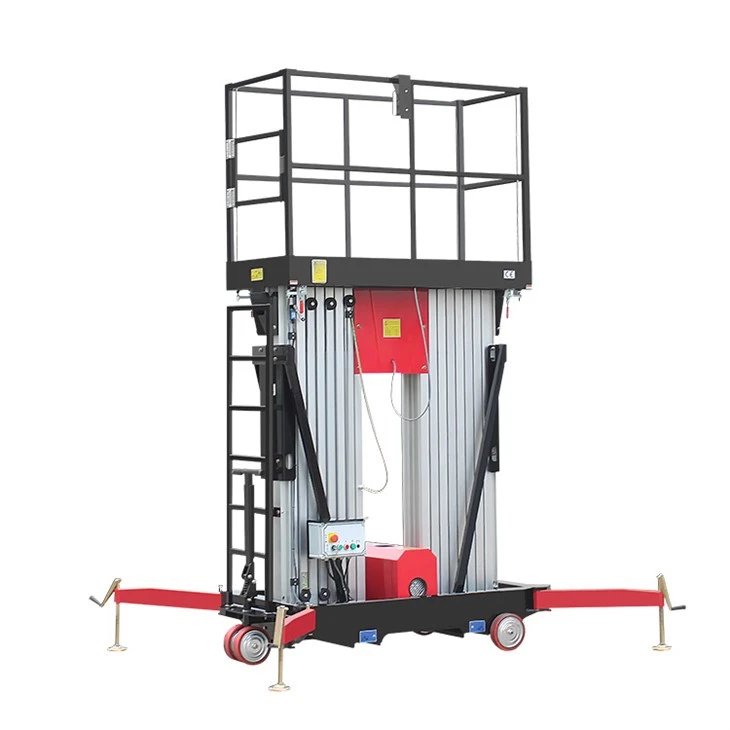
Guardrails are a must-have for any Vertical Mast Lift. They provide a physical barrier around the platform, preventing operators from accidentally falling off. Most modern Vertical Mast Lifts come with basic guardrails, but you might want to add some extra height or reinforce them for added protection.
Fall Arrest Systems
A fall arrest system is another crucial piece of safety equipment. If an operator does fall, this system will catch them and prevent them from hitting the ground. There are different types of fall arrest systems available, including harnesses and lanyards. Make sure to choose one that's compatible with your Vertical Mast Lift.
Emergency Stop Buttons
Emergency stop buttons are located within easy reach of the operator. In case of an emergency, they can quickly stop the lift to prevent further danger. It's a simple yet effective safety feature that every lift should have.
Safety Sensors
Safety sensors can detect obstacles in the lift's path and automatically stop the machine to avoid collisions. They're especially useful in crowded work areas where there's a higher risk of hitting something.
Installation Process
Step 1: Gather Your Tools and Equipment
Before you start installing any safety equipment, make sure you have all the necessary tools and materials. This might include wrenches, screwdrivers, bolts, and the safety equipment itself. It's also a good idea to have the lift's user manual handy for reference.

Step 2: Prepare the Lift
Make sure the lift is turned off and parked on a flat, stable surface. If possible, lower the platform to its lowest position to make the installation process easier and safer.
Step 3: Install the Guardrails
If you're adding or reinforcing guardrails, start by attaching the mounting brackets to the platform. Make sure they're securely fastened and level. Then, attach the guardrail sections to the brackets using the provided bolts or screws. Double-check that everything is tight and stable before moving on.
Step 4: Set Up the Fall Arrest System
Install the anchor points for the fall arrest system according to the manufacturer's instructions. These anchor points should be strong enough to support the weight of an operator in case of a fall. Then, attach the harnesses and lanyards to the anchor points and make sure they're properly adjusted for each operator.
Step 5: Install the Emergency Stop Button
Find a convenient location for the emergency stop button, usually within easy reach of the operator's control panel. Drill a hole in the appropriate spot and mount the button using the provided hardware. Connect the button to the lift's electrical system according to the wiring diagram.
Step 6: Install the Safety Sensors
Depending on the type of safety sensors you're using, they might need to be mounted on the lift's platform, mast, or base. Follow the manufacturer's instructions carefully to ensure proper installation. Connect the sensors to the lift's control system and test them to make sure they're working correctly.
Step 7: Test the Equipment
Once all the safety equipment is installed, it's time to test it. Turn on the lift and slowly raise and lower the platform a few times. Check that the guardrails are stable, the fall arrest system is functioning properly, the emergency stop button works, and the safety sensors are detecting obstacles. If you notice any issues, make the necessary adjustments or repairs before using the lift in a real work situation.
Our Product Range
At our company, we offer a wide range of Vertical Mast Lifts, each designed to meet different needs and requirements. Check out our amazing products:
- Vertical Material Lift: Ideal for moving heavy materials vertically.
- Compact One Man Lift: Perfect for tight spaces and solo operations.
- Two Man Lift: Can accommodate two operators, increasing productivity.
- Vertical Mast Lift: Our flagship product with excellent performance and reliability.
- Tracked Man Lift: Great for rough terrains and outdoor use.
Final Thoughts
Installing additional safety equipment on a Vertical Mast Lift is a smart move that can protect your operators and keep your business in compliance with safety regulations. By following the steps outlined above, you can ensure that your lift is as safe as possible.
If you're in the market for a Vertical Mast Lift or need more information about safety equipment installation, don't hesitate to reach out. We're here to help you make the right choice and ensure your lifting operations are safe and efficient.
References
- Manufacturer's manuals for Vertical Mast Lifts and safety equipment.
- Safety regulations and standards related to lifting equipment.


