


When it comes to working at heights, man bucket lifts are indispensable tools across various industries. As a supplier of Man Bucket Lifts, I often encounter inquiries about the weight limits of these machines. Understanding the weight limits is crucial for ensuring safety, efficiency, and compliance with industry regulations. In this blog post, I will delve into the factors that determine the weight limits of a man bucket lift, why they matter, and how to choose the right lift for your specific needs.
Understanding the Basics of Man Bucket Lift Weight Limits
The weight limit of a man bucket lift, also known as the load capacity, refers to the maximum amount of weight that the lift can safely carry. This includes the weight of the operator, any tools or materials being carried in the bucket, and the weight of the bucket itself. Exceeding the weight limit can lead to serious safety hazards, such as instability, tipping, or mechanical failure.
Factors Affecting Weight Limits
Several factors influence the weight limit of a man bucket lift. These include:
Design and Construction
The design and construction of the lift play a significant role in determining its weight capacity. Lifts with a larger base and more robust structural components can generally support a higher weight. For example, a Man Bucket Lift with a wider base provides greater stability, allowing it to handle heavier loads.
Lift Type
Different types of man bucket lifts have different weight limits. Vertical mast lifts, for instance, are typically designed for lighter loads and are ideal for indoor applications. You can learn more about Vertical Mast Lift and their capabilities on our website. On the other hand, larger boom lifts can handle heavier loads and are suitable for outdoor construction and industrial projects.
Hydraulic System
The hydraulic system of the lift is responsible for lifting and lowering the bucket. A more powerful hydraulic system can support a higher weight. Lifts with advanced hydraulic technology can handle heavier loads more efficiently and safely.

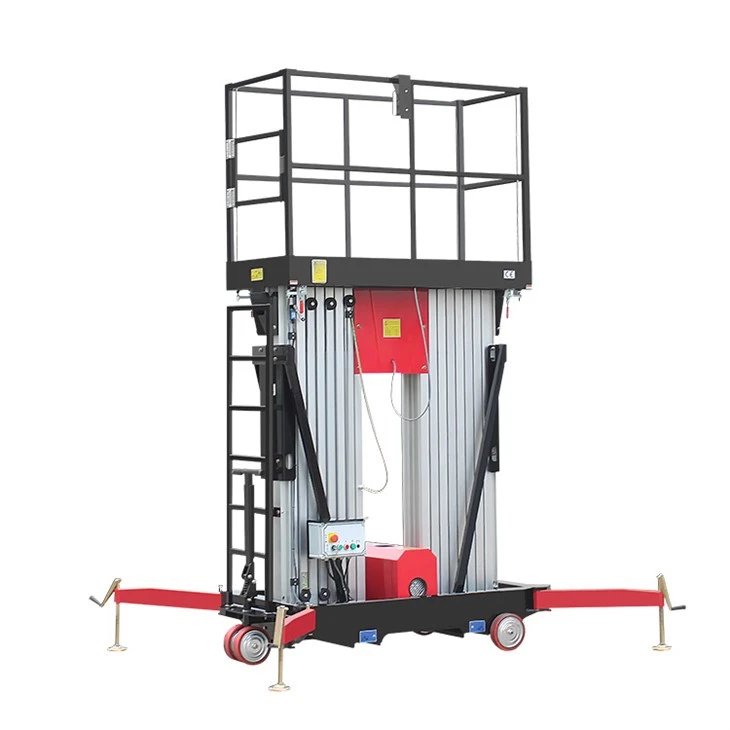
Safety Features
Safety features such as overload sensors and stability controls are designed to prevent the lift from operating beyond its weight limit. These features are essential for ensuring the safety of the operator and the integrity of the lift.
Why Weight Limits Matter
Adhering to the weight limits of a man bucket lift is of utmost importance for several reasons:
Safety
The primary reason for weight limits is safety. Overloading a lift can cause it to become unstable, increasing the risk of accidents such as tipping or falling. By staying within the weight limit, you can ensure the safety of the operator and anyone in the vicinity of the lift.
Equipment Longevity
Exceeding the weight limit can put excessive stress on the lift's components, leading to premature wear and tear. This can result in costly repairs and downtime. By following the weight limits, you can extend the lifespan of your lift and reduce maintenance costs.
Compliance
Many industries have strict regulations regarding the use of man bucket lifts. These regulations often include specific weight limits. By adhering to these limits, you can ensure compliance with industry standards and avoid potential fines or legal issues.
Choosing the Right Man Bucket Lift Based on Weight Requirements
When selecting a man bucket lift, it is essential to consider the weight requirements of your specific application. Here are some steps to help you choose the right lift:
Determine the Load
First, determine the total weight that the lift will need to carry. This includes the weight of the operator, tools, and materials. Make sure to account for any additional weight that may be added during the operation.
Consider the Lift Type
Based on the load requirements and the nature of your work, choose the appropriate lift type. For lighter loads and indoor applications, a Compact One Man Lift may be sufficient. For heavier loads and outdoor projects, a larger boom lift may be necessary.
Check the Weight Limit
Before purchasing or renting a lift, check the weight limit specified by the manufacturer. Make sure that the lift can handle the total weight of your load.
Consult with an Expert
If you are unsure which lift is right for your needs, consult with an expert. Our team of professionals can provide you with guidance and recommendations based on your specific requirements.
Maintaining and Monitoring Weight Limits
Once you have chosen the right man bucket lift, it is important to maintain and monitor the weight limits. Here are some tips to help you do this:
Train Operators
Ensure that all operators are properly trained on the weight limits of the lift and the importance of adhering to them. Provide regular training and refresher courses to keep operators up-to-date on safety procedures.
Use a Scale
Use a scale to weigh the load before placing it in the bucket. This will help you ensure that you are within the weight limit.
Check for Overloading
Regularly check the lift for signs of overloading, such as excessive stress on the components or instability. If you notice any issues, stop using the lift immediately and have it inspected by a qualified technician.
Conclusion
Understanding the weight limits of a man bucket lift is essential for ensuring safety, efficiency, and compliance. By considering the factors that affect weight limits, choosing the right lift for your needs, and maintaining and monitoring the weight limits, you can ensure the safe and effective operation of your lift.
If you are in the market for a man bucket lift, we are here to help. Our team of experts can provide you with the information and support you need to choose the right lift for your specific requirements. Contact us today to learn more about our products and services and to discuss your procurement needs.
References
- OSHA regulations on aerial lifts
- Manufacturer's specifications for man bucket lifts


