


Hey there! As a supplier of Vertical Man Lifts, I often get asked about the maximum operating temperature of these machines. It's a crucial question, especially when you're working in different environments. Let's dive right into it.
First off, the maximum operating temperature of a vertical man lift can vary depending on several factors. One of the key factors is the type of lift. We've got different kinds, like the Vertical Mast Lift, Track Man Lift, and Portable Man Lift. Each of these may have slightly different temperature limits.
For most standard vertical man lifts, the maximum operating temperature typically ranges from around 40°C to 50°C (104°F to 122°F). Why is this range so important? Well, when the temperature gets too high, it can have a significant impact on the lift's performance and safety.

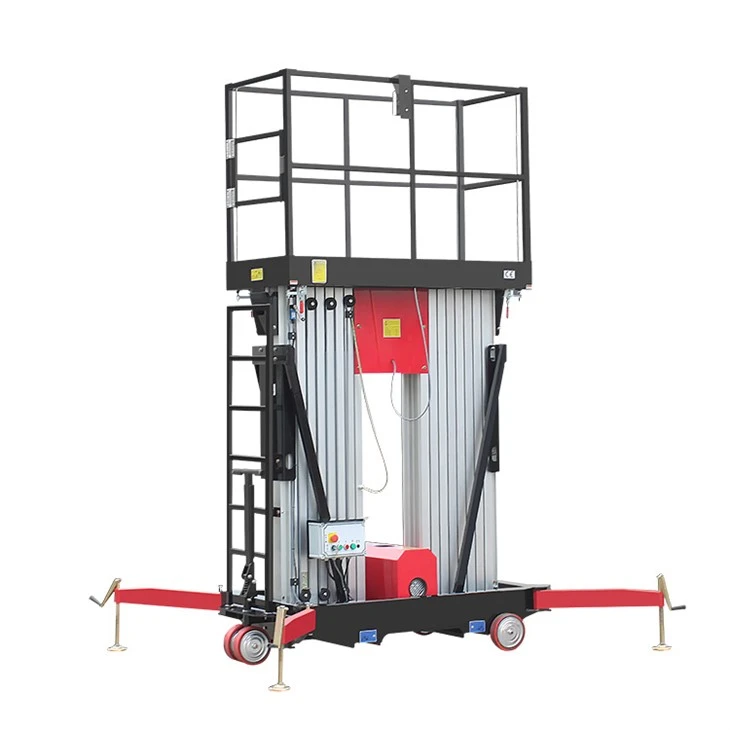
Let's talk about the components of a vertical man lift. The hydraulic system is one of the most critical parts. Hydraulic fluid is used to power the lift, and high temperatures can cause this fluid to break down. When the fluid breaks down, it loses its lubricating properties, which can lead to increased wear and tear on the hydraulic components. This not only shortens the lifespan of the lift but also poses a safety risk. For example, if the hydraulic system fails while the lift is in use, it could cause the platform to drop suddenly, endangering the operator.
The electrical components are also affected by high temperatures. Electrical systems in vertical man lifts rely on various sensors, motors, and control boards. When the temperature rises above the recommended limit, these components can overheat. Overheating can cause malfunctions, such as incorrect readings from sensors or erratic motor behavior. In extreme cases, it could even lead to electrical fires, which are obviously a huge safety hazard.
Another aspect to consider is the battery. Most vertical man lifts are powered by batteries, and high temperatures can reduce the battery's capacity and lifespan. Batteries work best within a specific temperature range, and when it gets too hot, the chemical reactions inside the battery can speed up, causing the battery to degrade faster. This means you'll have to replace the battery more often, which can add to the overall cost of operating the lift.
Now, let's take a closer look at the different types of vertical man lifts and how their maximum operating temperatures might differ.
The Vertical Mast Lift is a popular choice for indoor and outdoor applications. These lifts are designed to be compact and easy to maneuver. They usually have a maximum operating temperature of around 45°C (113°F). This is because they often operate in enclosed spaces where heat can build up quickly. The mast structure of these lifts is also designed to withstand a certain amount of heat, but beyond 45°C, the risk of damage to the lift's components increases significantly.
The Track Man Lift is ideal for rough terrain. These lifts are built to be more rugged and can handle a wider range of environmental conditions. However, their maximum operating temperature is still around 50°C (122°F). The tracks on these lifts are made of materials that can withstand high temperatures to a certain extent, but excessive heat can still cause the rubber on the tracks to degrade, affecting the lift's mobility.
The Portable Man Lift is known for its easy transportability. These lifts are often used in a variety of settings, from small construction sites to maintenance jobs. Their maximum operating temperature is typically around 40°C (104°F). Since they are more lightweight and have a smaller power source, they are more sensitive to high temperatures.
So, what can you do to ensure your vertical man lift operates safely within the maximum temperature range?
First, it's important to monitor the temperature regularly. You can use a thermometer to check the ambient temperature at the work site. If the temperature is approaching or exceeding the maximum operating temperature, it's a good idea to take a break and let the lift cool down.
Second, make sure the lift is properly maintained. This includes regular inspections of the hydraulic system, electrical components, and battery. If you notice any signs of overheating, such as unusual noises or smells, stop using the lift immediately and have it checked by a professional.
Finally, consider the environment where you're using the lift. If you're working in a hot climate, try to schedule your work during the cooler parts of the day. You can also provide shade for the lift to reduce the amount of direct sunlight it receives.
In conclusion, understanding the maximum operating temperature of your vertical man lift is crucial for its performance and safety. By being aware of the temperature limits and taking the necessary precautions, you can ensure that your lift operates smoothly and efficiently.
If you're in the market for a vertical man lift or have any questions about their operating temperatures, feel free to reach out. We're here to help you make the right choice for your needs. Whether you need a Vertical Mast Lift, Track Man Lift, or Portable Man Lift, we've got you covered.
References:
- Industry standards and guidelines for vertical man lift operation.
- Manufacturer's specifications for different types of vertical man lifts.


