


When it comes to working at heights, boom lifts are an indispensable piece of equipment across various industries. As a boom lift supplier, I've had the privilege of witnessing firsthand how these machines transform work environments, making high - altitude tasks both feasible and safe. In this blog post, we'll delve into the operating capacity of boom lifts, exploring what it means, what factors influence it, and how it impacts your work.
Defining Operating Capacity
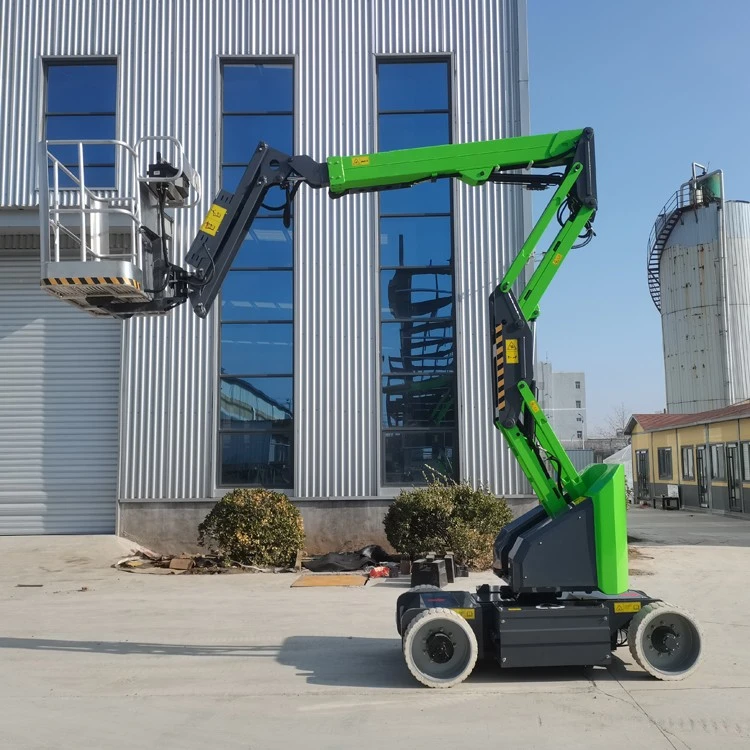
The operating capacity of a boom lift refers to its ability to perform specific tasks under defined conditions. It encompasses several aspects, including platform capacity, working height, horizontal outreach, and maneuverability. These elements are crucial as they determine where and how efficiently a boom lift can be used in a work setting.
Platform Capacity
One of the most critical aspects of the operating capacity is the platform capacity, which is the maximum weight the boom lift's platform can safely carry. This includes the weight of the operators, tools, and materials that will be on the platform during operation. Different boom lifts have varying platform capacities, ranging from small, lightweight models designed for single - person use to large, heavy - duty ones that can accommodate multiple workers along with substantial equipment. For instance, a Single Man Boom Lift typically has a platform capacity of around 200 - 300 pounds, making it ideal for solo tasks such as light maintenance or signage installation. On the other hand, larger boom lifts can have platform capacities of over 1000 pounds, suitable for more complex operations involving multiple workers and heavy equipment.
Working Height
Working height is another key component of the operating capacity. It is the maximum vertical distance the boom lift can reach. Boom lifts come in a wide range of working heights, from relatively short models that can reach up to 20 feet to extremely tall ones capable of reaching over 180 feet. The choice of working height depends on the specific requirements of the job. For example, a Small Boom Lift with a working height of around 20 - 30 feet is perfect for indoor tasks like ceiling maintenance or installation. In contrast, construction projects that involve high - rise buildings may require boom lifts with much greater working heights.
Horizontal Outreach
Horizontal outreach indicates how far the boom lift can extend horizontally from its base. This is vital when you need to access areas that are not directly above the lift's position. For example, in a building construction project where you need to reach out to work on an overhanging structure or a facade at a distance from the ground - level base of the lift, a boom lift with significant horizontal outreach is required. Some advanced boom lifts can achieve horizontal outreaches of over 80 feet, allowing workers to access hard - to - reach areas without having to reposition the lift constantly.
Maneuverability
Maneuverability is an often - overlooked but essential part of the operating capacity. It refers to the ease with which the boom lift can be moved, turned, and positioned on the job site. Factors that affect maneuverability include the size and shape of the lift, the type of wheels or tracks it has, and its turning radius. For instance, a Track Crawler Spider Boom Lift is known for its excellent maneuverability on rough or uneven terrain. Its crawler tracks provide better traction and stability, allowing it to navigate through difficult outdoor environments with ease. In contrast, a Trailer Hydraulic Boom Lift is more suitable for jobs where it can be easily transported from one location to another, as it can be towed behind a vehicle.
Factors Influencing Operating Capacity
Design and Construction
The design and construction of a boom lift have a significant impact on its operating capacity. High - quality materials, advanced engineering, and precise manufacturing processes contribute to a lift's ability to handle greater loads, reach higher heights, and have better outreach. For example, a boom lift with a well - engineered hydraulic system can provide more stable and reliable operation, allowing for greater platform capacity and more precise movement.

Power Source
The power source of a boom lift also affects its operating capacity. There are mainly three types of power sources: electric, diesel, and hybrid. Electric boom lifts are generally suitable for indoor use due to their low noise and zero - emission features. However, they may have a relatively limited working range compared to diesel - powered boom lifts. Diesel boom lifts, on the other hand, offer more power and longer operating times, making them ideal for outdoor, large - scale construction projects. Hybrid boom lifts combine the advantages of both electric and diesel power, providing flexibility in different work environments.
Safety Features
Safety features are not only crucial for the well - being of the operators but also have an impact on the operating capacity. Boom lifts equipped with advanced safety features such as overload protection, tilt sensors, and emergency stop buttons can operate more efficiently and with greater confidence. For example, an overload protection system ensures that the lift does not exceed its platform capacity, preventing potential accidents and allowing for more reliable operation.
Impact of Operating Capacity on Work
Efficiency
The right operating capacity can significantly improve work efficiency. When a boom lift has the appropriate platform capacity, working height, and horizontal outreach for a job, workers can complete tasks more quickly. For example, using a boom lift with sufficient horizontal outreach can reduce the need for repositioning the lift, saving time and effort. Similarly, having a platform capacity that can accommodate all the necessary tools and materials at once means fewer trips up and down the lift, increasing productivity.
Safety
Safety is directly related to the operating capacity of a boom lift. When the lift is operated within its specified capacity limits, the risk of accidents is greatly reduced. Overloading the platform or attempting to use the lift beyond its working height or outreach can lead to instability, tipping, or mechanical failures. By ensuring that the operating capacity is well - matched to the job requirements, you can create a safer work environment for your employees.
Cost - Effectiveness
Choosing a boom lift with the right operating capacity can also lead to cost - effectiveness. If you use a lift with a much higher capacity than needed, you may be paying more for the equipment than necessary. On the other hand, using a lift that is under - powered or has insufficient capacity may result in longer work times, more frequent breakdowns, and additional costs for repairs and replacements. Therefore, a careful assessment of the operating capacity is essential for optimizing costs.
Choosing the Right Boom Lift
When selecting a boom lift, it's essential to consider the specific requirements of your job. Assess the platform capacity you need based on the number of workers and the weight of the tools and materials. Determine the working height and horizontal outreach required to access all the areas in your project. Also, think about the terrain and environment where the lift will be used, as this will influence the choice of features such as wheels, tracks, and power source.
For example, if you are working on a small - scale indoor project, a Compact Boom Lift might be the ideal choice. It offers a good combination of maneuverability and a sufficient working height for most indoor tasks. If you are handling outdoor jobs on rough terrain, a track - mounted boom lift like the Track Crawler Spider Boom Lift would be more suitable.
Contact for Procurement
If you're in the market for a boom lift and need help choosing the right one for your specific needs, we're here to assist. Our team of experts has extensive knowledge of boom lift operating capacities and can provide you with tailored recommendations. Contact us to start a procurement discussion, and let's find the perfect boom lift for your project.
References
- Construction Equipment Handbook. Mcgraw - Hill Professional.
- OSHA Guidelines for Aerial Work Platforms. U.S. Department of Labor.


