


Hey there! As a supplier of Man Lift Platforms, I know how crucial it is to understand the inspection requirements for these machines. They're not just pieces of equipment; they're the lifeline for many workers in various industries, from construction to maintenance. So, let's dive right into what you need to know about inspecting a Man Lift Platform.
Pre - Use Inspection
Before you even think about firing up a Man Lift Platform, a pre - use inspection is a must. This is like giving your car a quick once - over before a long drive.
Visual Inspection
First off, take a good look at the lift. Check for any visible damage to the frame, such as cracks or dents. A damaged frame can seriously compromise the stability of the lift. You should also look at the platform itself. Make sure there are no loose boards or missing safety rails. The platform is where the operator stands, so it needs to be in top - notch condition.
Inspect the hydraulic hoses. Any signs of leaks, bulges, or cuts mean those hoses need to be replaced immediately. Hydraulic systems are what make the lift go up and down, and a faulty hose can lead to a sudden and dangerous drop.
The electrical components are another important part of the visual inspection. Look for frayed wires or loose connections. Electrical problems can not only cause the lift to malfunction but also pose a serious risk of electrocution.
Functionality Checks
Next, test the controls. Make sure all the buttons and levers work as they should. The lift should move smoothly up and down, and side - to - side if it has that capability. Try the emergency stop button to ensure it works. This is your last line of defense in case something goes wrong.
Check the brakes. The lift should hold its position when stopped. A faulty brake can lead to the lift drifting, which is extremely dangerous.
If your Man Lift Platform has outriggers, test them to make sure they deploy and retract properly. Outriggers are essential for providing stability, especially when the lift is extended to its maximum height.
Regular Maintenance Inspections
In addition to the pre - use inspection, regular maintenance inspections are necessary. These are more in - depth and should be carried out at set intervals, depending on how often the lift is used.
Structural Integrity
During a maintenance inspection, a more detailed check of the structure is done. This includes using non - destructive testing methods to detect any hidden cracks or weaknesses in the frame. For example, ultrasonic testing can be used to find internal flaws in the metal.
The welds on the lift also need to be inspected. Welds are the joints that hold the structure together, and any signs of cracking or separation can be a major problem.
Hydraulic System
The hydraulic system is a critical part of the lift, and it needs a thorough inspection during maintenance. This includes checking the fluid level and quality. Low fluid levels can cause the lift to operate inefficiently, while dirty fluid can damage the hydraulic components.
The hydraulic pumps and valves should also be inspected. Make sure they are functioning correctly and not leaking. Any issues with these components can lead to a loss of hydraulic pressure, which can cause the lift to fail.
Electrical System
The electrical system is another area that requires careful attention during maintenance. Inspect the batteries to make sure they are fully charged and in good condition. Replace any batteries that are old or damaged.
Check the wiring harnesses for signs of wear and tear. The electrical connections should be tight and corrosion - free. A loose or corroded connection can cause electrical problems, which can lead to the lift malfunctioning.
Annual Inspections
Annual inspections are even more comprehensive. They are usually carried out by a qualified inspector who has the knowledge and experience to thoroughly assess the lift.
Load Testing
One of the key parts of an annual inspection is load testing. The lift is loaded with a specified weight to ensure it can handle the maximum load it is designed for. This test checks the strength and stability of the lift under stress.
Safety Features
All the safety features of the lift are tested during the annual inspection. This includes the safety interlocks, which prevent the lift from operating if certain conditions are not met. For example, the lift should not be able to move if the platform gate is open.
The fall protection system, such as the safety harness and lanyard attachment points, is also inspected. These are crucial for protecting the operator in case of a fall.
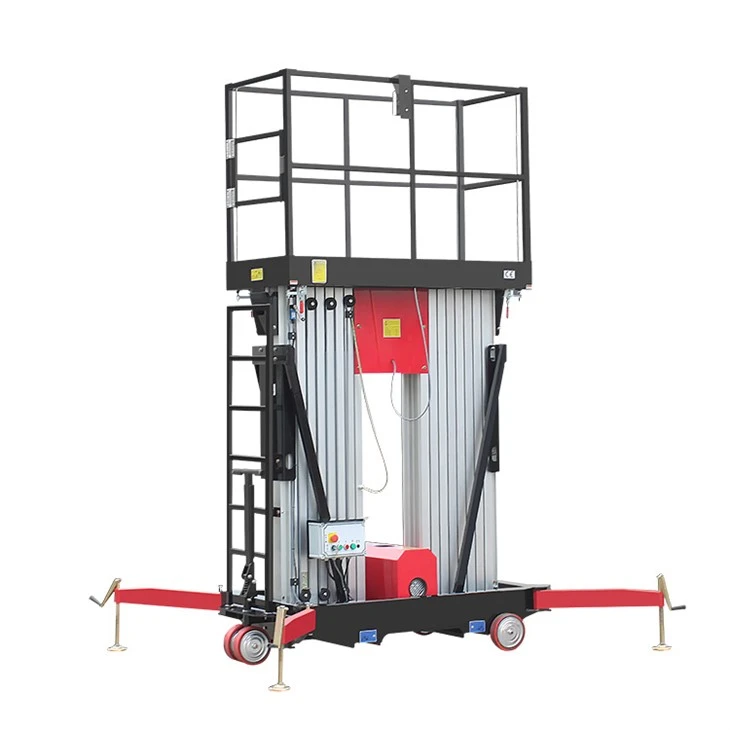

Types of Man Lift Platforms and Their Specific Inspection Requirements
There are different types of Man Lift Platforms, and each has its own specific inspection requirements.
Vertical Mast Lift
A Vertical Mast Lift is a type of lift that moves straight up and down. When inspecting a vertical mast lift, pay special attention to the mast itself. The mast should be straight and free of any damage. Check the guide rollers to make sure they are in good condition and allow the platform to move smoothly along the mast.
Vertical Man Lift
A Vertical Man Lift is similar to a vertical mast lift but may have some different features. Inspect the base of the lift to ensure it is stable. The lift mechanism, whether it is hydraulic or mechanical, should be inspected for proper operation.
Electric Man Lifts
Electric Man Lifts rely on electricity to operate. In addition to the general inspection requirements, check the electrical charging system. Make sure the charger is working correctly and that the batteries are being charged properly.
Why Inspection is So Important
Inspecting a Man Lift Platform is not just a regulatory requirement; it's a matter of safety. A well - maintained and properly inspected lift can prevent accidents and save lives. It also helps to ensure the lift operates efficiently, which can save you money in the long run.
If you're in the market for a Man Lift Platform or need more information about inspection requirements, don't hesitate to reach out. We're here to help you make the right choice and keep your workers safe. Whether you're a small business or a large corporation, we have the expertise and the products to meet your needs.
References
- OSHA Standards for Man Lift Platforms
- Manufacturer's Manuals for Man Lift Platforms
- Industry Best Practices for Lift Inspection and Maintenance


