


Hey there! As a supplier of vertical lifts, I've seen firsthand the importance of safety education when it comes to using these machines in schools. Vertical lifts are incredibly useful for various tasks in educational institutions, from maintenance work to event setup. But without proper safety training, they can pose significant risks. So, let's dive into what the safety education requirements are for using vertical lifts in schools.
Understanding the Basics of Vertical Lifts
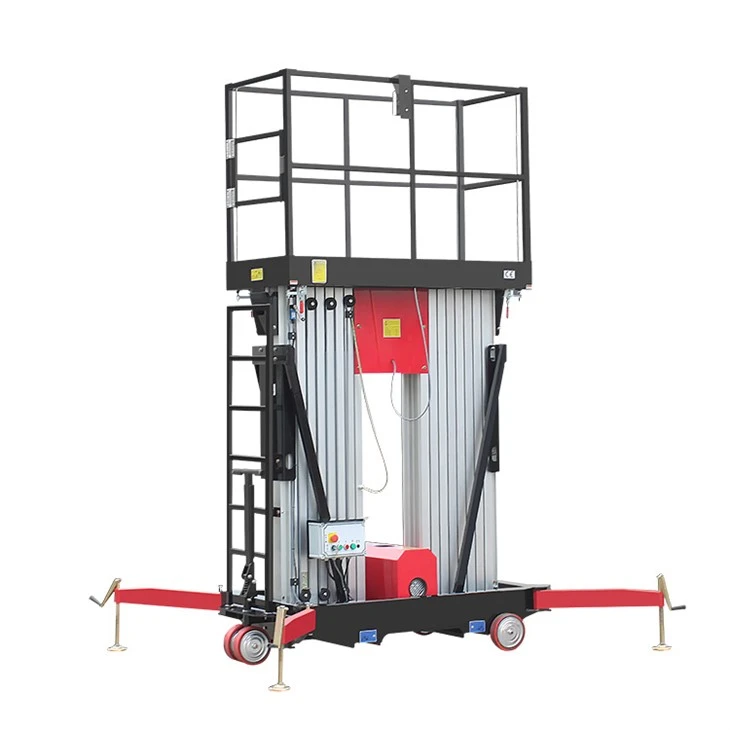
First off, it's essential to know what we're dealing with. There are different types of vertical lifts available, like the Portable Man Lift, Vertical Mast Lift, and Vertical Man Lift. Each type has its own features and functions, but they all share the common goal of providing vertical access.
Portable man lifts are great for their mobility. They can be easily moved around the school campus, making them ideal for tasks that require access to different areas. Vertical mast lifts, on the other hand, offer a more stable platform and are often used for higher-reach jobs. And vertical man lifts are designed to lift a person to a specific height safely.
Pre - Use Safety Education
Before anyone operates a vertical lift in a school, they need to undergo proper safety training. This training should cover the following aspects:
Machine Familiarization
Operators need to know the ins and outs of the specific vertical lift they'll be using. This includes understanding the controls, safety features, and limitations of the machine. For example, they should know how to start and stop the lift, how to adjust the height, and what the emergency stop button does.
Site Assessment
Before using the lift, a thorough site assessment should be conducted. The operator needs to check the ground conditions to ensure it's stable enough to support the lift. They also need to look for any overhead obstacles, such as power lines or tree branches, that could pose a danger. In a school setting, there might be students and teachers around, so the operator should identify safe operating areas and establish clear boundaries.
Personal Protective Equipment (PPE)
Wearing the right PPE is crucial. Operators should always wear a hard hat to protect their heads from falling objects. Safety glasses are also necessary to shield their eyes from debris. And a safety harness should be worn and properly attached to the lift's designated anchor points to prevent falls.
In - Use Safety Procedures
Once the lift is in operation, there are several safety procedures that need to be followed:
Weight Limits
Every vertical lift has a maximum weight capacity. Operators must never exceed this limit, as it can cause the lift to become unstable and potentially tip over. In a school, it's important to consider not only the weight of the operator but also any tools or materials they might be carrying on the lift.
Movement and Positioning
When moving the lift, operators should do so slowly and carefully. They should avoid sudden starts or stops, as this can cause the load to shift and make the lift unstable. Also, the lift should be positioned on a level surface at all times. If the ground is uneven, the lift could tip over.
Communication
Good communication is key. If there are other people working in the area, the lift operator should communicate with them to ensure everyone's safety. For example, they should let others know when they're going to move the lift or when they're about to lower the platform.
Post - Use Safety Measures
After using the vertical lift, there are still some safety steps that need to be taken:
Shutdown and Storage
The lift should be shut down properly according to the manufacturer's instructions. This includes turning off the power, lowering the platform to its lowest position, and securing any loose parts. Then, the lift should be stored in a safe place, away from traffic and potential hazards.
Inspection and Maintenance
Regular inspections and maintenance are essential to keep the lift in good working condition. After each use, the operator should conduct a basic inspection to check for any signs of damage or wear. If any issues are found, they should be reported immediately, and the lift should not be used until it's been repaired.
Safety Education for School Staff and Students
It's not just the lift operators who need safety education. School staff and students should also be aware of the potential dangers associated with vertical lifts.
Staff Awareness
School staff, such as maintenance workers and event organizers, should be educated about the safety procedures for vertical lift use. They should know how to identify safe operating areas, how to communicate with lift operators, and what to do in case of an emergency.
Student Education
Students should be taught about the importance of staying away from operating vertical lifts. Schools can include safety information in their safety programs or conduct safety talks to raise awareness among students.
The Role of the Supplier in Safety Education
As a vertical lift supplier, we play a crucial role in safety education. We provide comprehensive training to our customers, including school operators. Our training programs cover all aspects of vertical lift use, from machine familiarization to emergency procedures.
We also offer ongoing support and resources to ensure that our customers are using the lifts safely. This includes providing maintenance guides, safety manuals, and access to technical support.
Conclusion
Safety education is of utmost importance when it comes to using vertical lifts in schools. By following the proper safety procedures and providing adequate training, we can ensure that these machines are used safely and effectively.

If you're a school looking to purchase vertical lifts or need more information about safety education, don't hesitate to reach out. We're here to help you make the right choice and ensure the safety of everyone on your campus.
References
- Occupational Safety and Health Administration (OSHA) guidelines on powered industrial trucks and aerial lifts.
- Manufacturer's manuals for vertical lifts.


