


Hey there! As a supplier of Vertical Man Lifts, I often get asked about the emergency lowering mechanism of these machines. It's a crucial feature that ensures the safety of operators in case of unexpected situations. So, let's dive into what the emergency lowering mechanism of a vertical man lift is all about.
Understanding Vertical Man Lifts
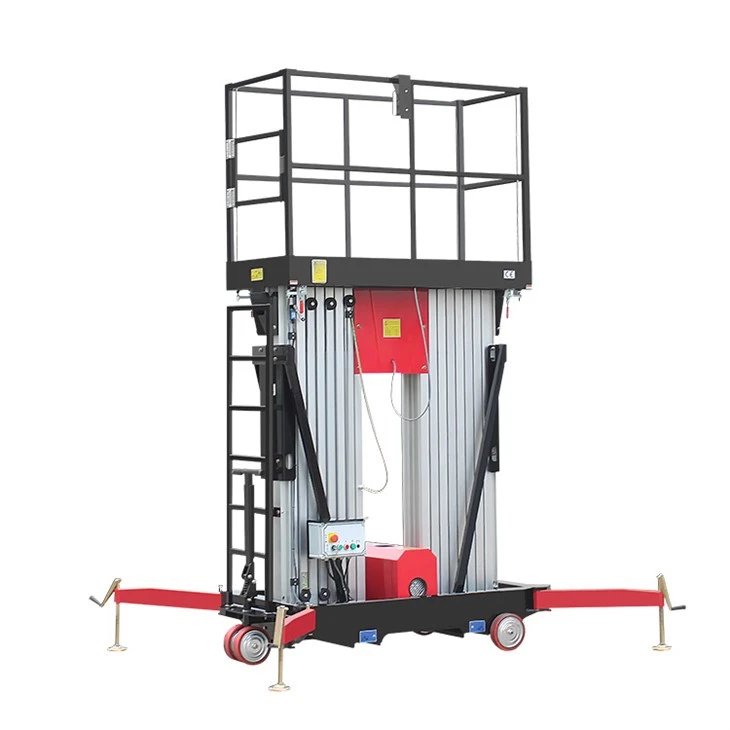
First off, for those who aren't familiar, vertical man lifts are designed to lift a person or a small load vertically to a certain height. They come in various types, like the Compact One Man Lift, Vertical Mast Lift, and Mast Lifts. These lifts are commonly used in construction, maintenance, and other industries where working at height is required.
The Need for an Emergency Lowering Mechanism
Imagine you're up in the air on a vertical man lift, and suddenly, there's a power failure or some other technical issue. Without an emergency lowering mechanism, you'd be stuck up there, which is not only inconvenient but also potentially dangerous. That's where this mechanism comes in handy. It allows the operator to safely lower the lift to the ground, even when the normal power source is unavailable.
How the Emergency Lowering Mechanism Works
There are a few different ways the emergency lowering mechanism can work, depending on the type of lift. Let's take a look at some of the most common methods:
Manual Override
One of the simplest and most common emergency lowering mechanisms is the manual override. This usually involves a hand pump or a lever that the operator can use to release the hydraulic pressure in the lift's cylinders. By doing this, the lift slowly descends to the ground. It's a pretty straightforward system, but it does require some physical effort from the operator.
Gravity Lowering
Some vertical man lifts are designed to use gravity as a means of emergency lowering. In these lifts, the hydraulic system is set up in such a way that when the emergency button is pressed, a valve opens, allowing the hydraulic fluid to flow back into the reservoir. The weight of the lift and the load then causes it to descend slowly. This method is relatively easy to operate and doesn't require much physical effort from the operator.
Battery Backup
In modern vertical man lifts, many are equipped with a battery backup system. This system kicks in when the main power source fails. The battery provides enough power to operate the lift's hydraulic pump and lower the platform to the ground. It's a reliable option that ensures the operator can safely get down in case of a power outage.
Safety Features of the Emergency Lowering Mechanism
The emergency lowering mechanism is not just about getting the lift down; it's also about doing it safely. Here are some of the safety features that are commonly found in these mechanisms:
Speed Control
To prevent the lift from descending too quickly, most emergency lowering mechanisms have a speed control feature. This ensures that the lift descends at a safe and controlled rate, reducing the risk of injury to the operator.
Locking Mechanism
Once the lift has reached the ground, a locking mechanism is engaged to prevent it from moving. This ensures that the operator can safely exit the lift without any risk of it moving unexpectedly.
Warning System
Many vertical man lifts are equipped with a warning system that alerts the operator when there's a problem with the lift. This can include a visual or auditory warning, such as a flashing light or a beeping sound. The warning system gives the operator enough time to activate the emergency lowering mechanism and get to safety.
Maintenance and Inspection of the Emergency Lowering Mechanism
Like any other part of the vertical man lift, the emergency lowering mechanism needs to be properly maintained and inspected. Here are some tips to ensure that the mechanism is in good working condition:

Regular Inspections
The emergency lowering mechanism should be inspected regularly, at least once a month. During the inspection, check for any signs of damage or wear, such as leaks, cracks, or loose connections. If any problems are found, they should be repaired immediately.
Testing
The emergency lowering mechanism should be tested regularly to ensure that it's working properly. This can be done by following the manufacturer's instructions for testing the mechanism. Make sure to test the mechanism in a safe and controlled environment, away from any obstacles or hazards.
Lubrication
The moving parts of the emergency lowering mechanism should be lubricated regularly to ensure smooth operation. Use a high-quality lubricant that is recommended by the manufacturer.
Conclusion
The emergency lowering mechanism is a crucial feature of a vertical man lift. It provides a safe and reliable way for the operator to get down in case of an emergency. By understanding how the mechanism works and following the proper maintenance and inspection procedures, you can ensure that your vertical man lift is always in good working condition and ready to use.
If you're in the market for a vertical man lift or have any questions about the emergency lowering mechanism, feel free to reach out to us. We're here to help you find the right lift for your needs and ensure that it's safe and reliable.
References
- Manufacturer's manuals for vertical man lifts
- Industry standards and regulations for vertical man lifts


