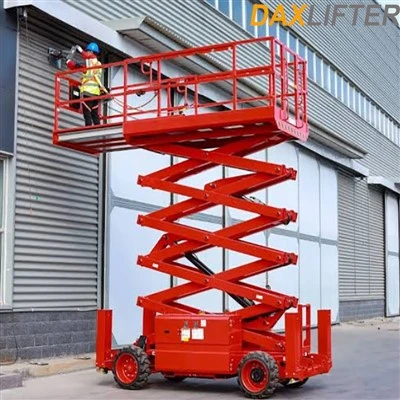
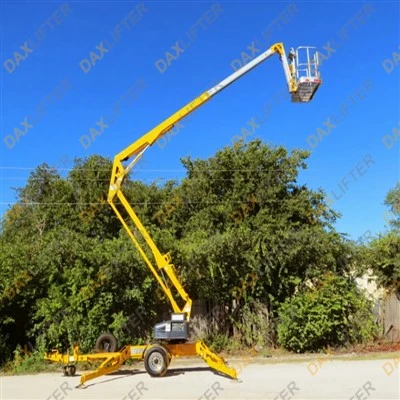
For facility managers and maintenance technicians, safe indoor aerial work has long been a practical challenge. Traditional heavy‑duty lifting equipment carries considerable weight, which may scratch or dent delicate flooring. Some models are too large to pass through standard doorways. These constraints hinder daily maintenance such as high‑bay lamp replacement, HVAC pipeline inspection and exhibition‑booth installation.
Aluminum alloy lifts solve such pain points with mature engineering technology. Built from high‑strength aviation‑grade aluminum profiles, they balance light weight and structural rigidity and serve as favorable alternatives to conventional steel lifting platforms. They deliver stable aerial working platforms and eliminate drawbacks of old‑style heavy lifts including poor mobility and difficult relocation.
This buying guide explains how aluminum alloy lifts simplify indoor maintenance and installation work. It covers core advantages compared with steel platforms, typical indoor application scenarios, key configurations for procurement, and how to select suitable equipment by cooperating with reliable manufacturers.
Understanding Aluminum Alloy Lifts
Aluminum alloy lifts are dedicated aerial‑work devices to transport operators and tools to required working heights. Different from heavy steel platforms, main structures adopt high‑strength aviation‑grade aluminum, which expands application scope and improves user experience. Mainstream models are equipped with stable base and mobile casters, divided into single‑mast and double‑mast configurations. When activated, telescopic masts extend upward to lift the working platform. Premium units reach maximum working height up to 14 meters, covering most indoor maintenance requirements.
Core Advantages vs Traditional Steel Lifting Platforms
Steel lifting platforms have dominated the aerial‑work market for years. Aluminum alloy lifts target many long‑standing on‑site pain points for maintenance teams.
Light‑Weight Construction Aviation‑grade aluminum features low self‑weight. At equal working height, aluminum alloy lifts weigh far less than steel counterparts. Lighter unit weight protects tiles, polished wood floors and other delicate surfaces from cracking and indentation. One person can push and reposition the unit, lowering labor cost for site mobilization.
High Maneuverability in Confined Spaces Commercial buildings often have compact layouts. Maintenance crews frequently travel through narrow corridors, sharp corners and standard passenger elevators. Compact aluminum alloy lifts with universal casters bypass obstacles smoothly and access areas unreachable for many steel‑built lifts.
Neat Appearance for Commercial Environments For public‑access premises, equipment appearance also matters. For instance, rough‑looking rust‑prone steel platforms may spoil guest experience when maintenance is carried out during hotel business hours. Aluminum alloy lifts feature clean streamlined looks and blend well in hotels, exhibition halls and other high‑end commercial venues.
Single‑mast vs Double‑mast Aluminum Alloy Lifts
Two major structural options are available for selection. Match them to your actual working conditions. Single‑mast lifts Single‑mast models deliver best compactness. Light‑weight and one‑man operable, they excel in narrow‑aisle access. Suitable for low‑height aerial assignments, one operator with simple hand tools for minor maintenance, lamp replacement and wall inspection.
Double‑mast lifts Choose double‑mast lifts for higher working height and improved stability. Supported by two parallel aviation‑grade aluminum masts, platform sway is well controlled even at full elevation. Load capacity is enhanced, typical rating reaches 300 kg for two‑person simultaneous operation. Ideal for complex installation, heavy‑equipment service and large‑venue maintenance requiring multi‑operator teamwork.
Typical Indoor Application Scenarios
Thanks to structural merits, aluminum alloy lifts perform well in various indoor environments with frequent aerial‑work demands, where heavy machinery should not disturb site conditions.
Hotels & Exhibition Venues Hotels, banquet halls and conference centers require frequent overhead assignments: decorative‑lamp hanging, high‑level glass cleaning and booth erection. Low‑noise, light‑weight aluminum alloy lifts prevent floor damage and minimize disruption to normal venue operation while maintaining site aesthetics.
Warehouses & Retail Stores Rack maintenance, plant‑equipment inspection and sprinkler‑system servicing call for regular overhead access. Operators reach elevated positions safely and rapidly with aluminum alloy lifts. Retail outlets also use them for graphic installation and promotional‑banner hanging, improving overall facility‑management efficiency.
Critical Safety Configurations for Procurement
Safety is the top priority when sourcing aerial work platforms. Pay close attention to below safety features to protect operators and site assets. Qualified units shall be fitted with manual lowering valves for emergency scenarios. In case of power failure, the platform can descend smoothly without external rescue, avoiding personnel being stranded at height. Adjustable support pads keep the unit firmly grounded before mast extension for anti‑slip and anti‑overturn protection and mitigate aerial‑work risks.
Benefits of Direct Sourcing from Manufacturers
Purchasing directly from formal manufacturers brings notable benefits. Products are produced in compliance with industrial safety standards with reliable quality control, complete warranty and direct technical support, avoiding delayed feedback and after‑sales buck‑passing from middlemen. Manufacturers provide customized solutions according to ceiling height, rated load and site requirements for different industries. They hold solid expertise on motor specifications, base dimensions and load‑related parameters. Direct factory supply removes dealer mark‑ups and improves overall cost‑effectiveness.
FAQ
What is the typical load capacity of aluminum alloy lifts? Most double‑mast models offer safe working load of 200‑300 kg, accommodating two operators plus tools and light consumables for two‑person aerial tasks. Single‑mast units have lower load ratings for light‑duty single‑operator maintenance.
Can aluminum alloy lifts be used outdoors? They are primarily designed for level indoor floors. Short‑time outdoor use is allowed only under certain conditions. Outdoor ground must be firm, flat and free of debris. Never operate under strong wind, rain or snow to prevent swaying and slipping hazards.
What power supply modes are available? Motors drive lifting mechanisms with stable performance and low noise. Two power options are offered: AC mains power for unlimited continuous operation; built‑in rechargeable batteries for cordless mobile work free from power‑cable constraints.
Conclusion
Indoor facility maintenance no longer needs heavy labor for bulky old‑style equipment, nor compromises due to floor damage, poor accessibility and safety concerns. Light‑weight, highly‑mobile and safe aluminum alloy lifts optimize maintenance workflows, boost productivity, protect site property and strengthen safety safeguards for operators.
Select proper models according to working height, load requirement and application scenarios. Supported by manufacturer technical services, you can maximize equipment value, upgrade facility‑management workflows and achieve safe, efficient and cost‑effective aerial‑work management.
For model recommendation, site‑specific solutions, customization and after‑sales support, please contact us: Email: sales@daxlifter.com WhatsApp: +86 15192782747 Our technical team provides professional proposals and technical support.