


Setting up the outriggers of a Compact Boom Lift is a crucial step that ensures the safety and stability of the equipment during operation. As a Compact Boom Lift supplier, I understand the significance of proper outrigger setup and am here to guide you through the process.
Understanding the Importance of Outriggers
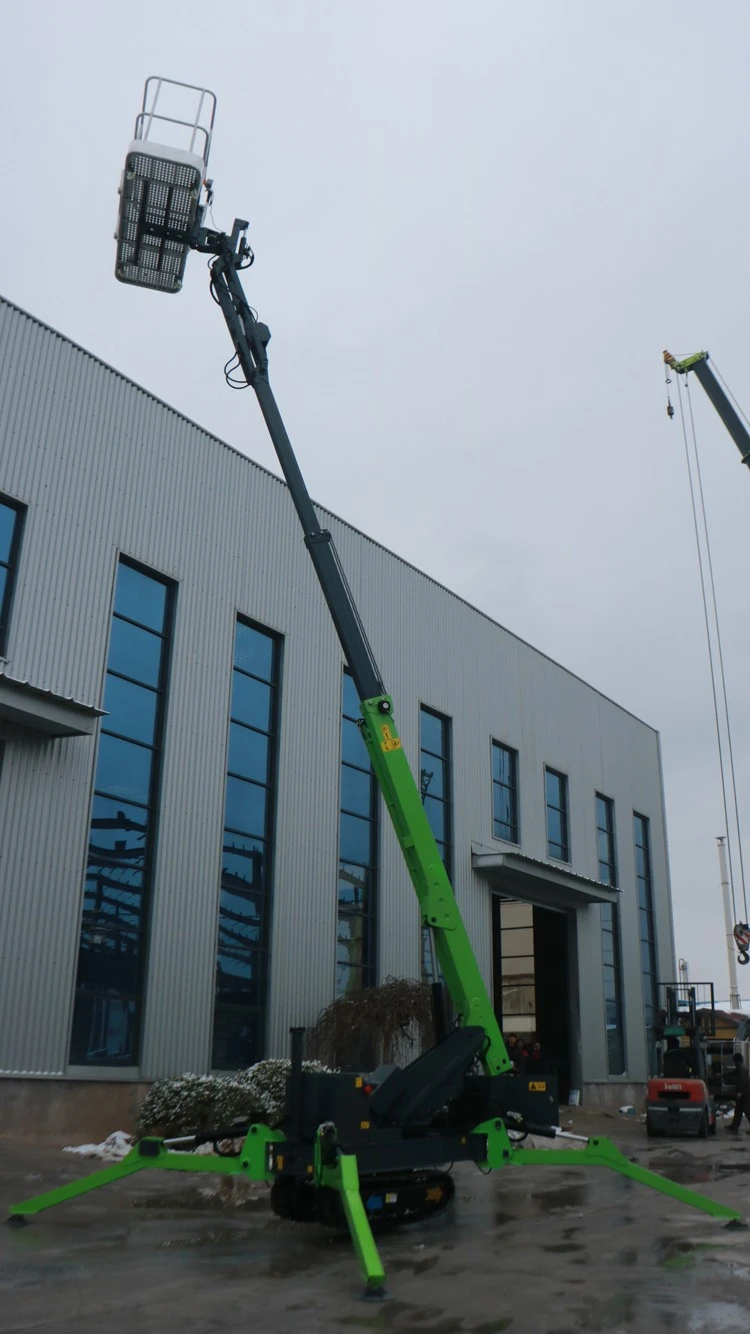
Outriggers play a vital role in providing stability to a Compact Boom Lift. They extend from the base of the lift and distribute the weight of the equipment and its load over a larger area. This helps prevent tipping and ensures that the lift remains balanced, especially when operating on uneven or soft surfaces. Without properly set up outriggers, the risk of accidents and injuries increases significantly.

Pre - Setup Checks
Before setting up the outriggers, it is essential to conduct a series of pre - setup checks. First, inspect the Compact Boom Lift for any visible damage or signs of wear. Check the hydraulic system for leaks, the tires for proper inflation, and the control mechanisms for smooth operation. Ensure that all safety devices, such as emergency stop buttons and overload sensors, are functioning correctly.
Next, assess the work area. Look for any obstacles, overhead power lines, or uneven ground that could affect the stability of the lift. The ground should be firm, level, and able to support the weight of the lift and its load. If the ground is soft or uneven, you may need to use outrigger pads to increase the surface area and prevent the outriggers from sinking.
Step - by - Step Outrigger Setup
- Position the Lift: Park the Compact Boom Lift in the desired location. Make sure the lift is centered and aligned with the work area. Engage the parking brake to prevent the lift from moving during setup.
- Extend the Outriggers: Most Compact Boom Lifts have hydraulic outriggers that can be extended using the control panel. Start by extending the outriggers one at a time, following the manufacturer's instructions. As you extend each outrigger, ensure that it is fully extended and locked in place.
- Level the Lift: Use a spirit level to check the levelness of the lift. Adjust the outriggers as needed to ensure that the lift is perfectly level. A level lift is essential for safe operation and accurate positioning of the boom.
- Deploy Outrigger Pads: If necessary, place outrigger pads under each outrigger. The pads should be made of a strong and durable material, such as steel or composite. Ensure that the pads are properly aligned with the outriggers and that they provide a stable base.
- Check the Stability: Once the outriggers are extended and the lift is level, perform a stability check. Gently rock the lift from side to side and front to back to ensure that it is stable. If the lift shows any signs of instability, re - adjust the outriggers or the position of the lift.
Different Types of Compact Boom Lifts and Their Outrigger Setup
There are several types of Compact Boom Lifts available in the market, each with its own unique features and outrigger setup requirements.
- Self Propelled Boom Lift: Self Propelled Boom Lift are highly maneuverable and can be easily moved around the work area. They typically have four outriggers that can be extended hydraulically. The setup process is similar to the general steps mentioned above, but it is important to follow the specific instructions provided by the manufacturer.
- Trailer Hydraulic Boom Lift: Trailer Hydraulic Boom Lift are designed to be towed to the work site. They usually have two or four outriggers that need to be extended and leveled before operation. When setting up a trailer hydraulic boom lift, make sure the trailer is properly parked and the outriggers are firmly planted on the ground.
- Crawler Boom Lift: Crawler Boom Lift are suitable for rough terrain. They have tracks instead of wheels, which provide better stability on uneven surfaces. The outrigger setup for crawler boom lifts is similar to other types of boom lifts, but additional care should be taken to ensure that the tracks are properly positioned and the outriggers are extended to the correct length.
Maintenance and Inspection of Outriggers
Regular maintenance and inspection of the outriggers are essential to ensure their proper functioning. Check the outriggers for any signs of damage, such as cracks, dents, or leaks. Lubricate the moving parts regularly to prevent rust and ensure smooth operation. Inspect the hydraulic hoses and connections for any signs of wear or damage.
It is also important to follow the manufacturer's recommended maintenance schedule. This may include periodic servicing, replacement of worn parts, and calibration of the hydraulic system. By maintaining the outriggers in good condition, you can extend the lifespan of the Compact Boom Lift and reduce the risk of accidents.
Conclusion
Setting up the outriggers of a Compact Boom Lift is a critical process that requires careful attention to detail. By following the steps outlined in this blog, you can ensure the safety and stability of the lift during operation. Remember to conduct pre - setup checks, extend the outriggers properly, level the lift, and use outrigger pads if necessary.
If you are in the market for a Compact Boom Lift or need more information about outrigger setup and maintenance, we are here to help. Our team of experts can provide you with the guidance and support you need to make the right choice for your specific requirements. Contact us today to start a discussion about your procurement needs.
References
- Manufacturer's manuals for Compact Boom Lifts
- Industry standards and guidelines for boom lift operation and safety


