Off-Highway Research data shows that China's aerial work platform market has experienced explosive growth over the past decade, with new machine sales surging from approximately 8,600 units in 2014 to 138,900 units in 2024.
The concept of aerial work platforms was first introduced to China in the early 1990s, but early applications were primarily concentrated in the shipbuilding industry and large non-residential construction projects such as stadiums and hotels.
With the upgrading of construction safety regulations, the rise of the rental industry, and the influx of numerous manufacturers during the market boom in the 2010s, industry sales ultimately exceeded even the most optimistic expectations.
Like most other equipment, after a brief period of market boom fueled by policy stimulus at the beginning of the pandemic, the industry began to cool in the early 2020s. The aerial work platform market maintained growth longer than earthmoving equipment, but growth slowed starting in 2022, and in 2024, it experienced a 21% drop, marking the end of the initial boom in China's aerial work platform industry. The main driver is China's economic slowdown, which has impacted both the construction and industrial sectors. The collapse of the real estate industry has dealt a devastating blow to construction-related demand.
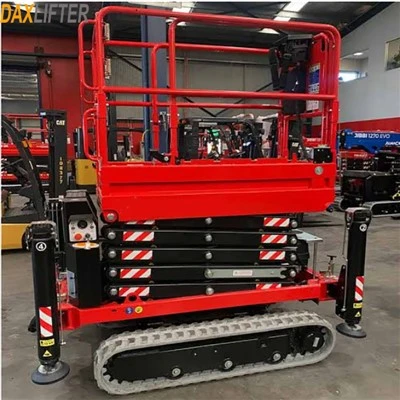
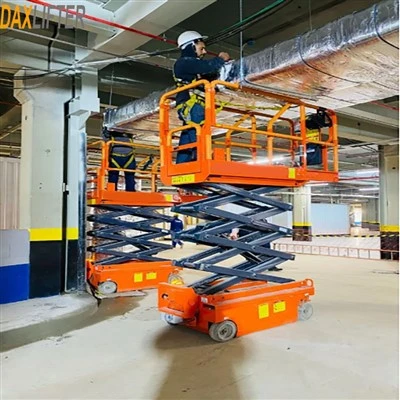
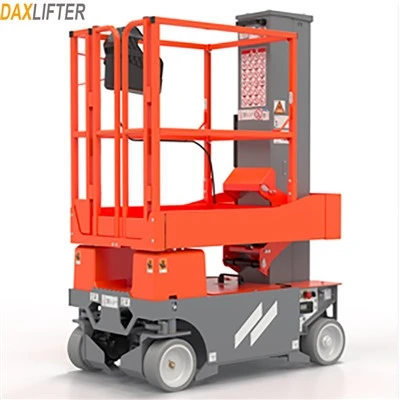
Scissor lifts remain a dominant product in the market, but their market share has declined significantly from the nearly 90% they held in the mid-2010s. This is primarily due to the saturation of this segment-a phenomenon exacerbated in part by the influx of manufacturers and rental companies during the boom period.
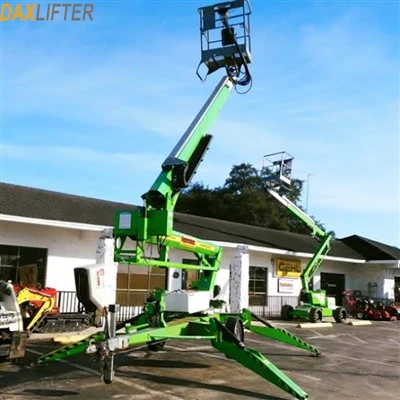
Against this backdrop, telescopic boom lifts have seen significant increases in both absolute sales and market share, while articulated boom lifts have yet to gain true recognition in China.
As sales slowed due to the economic downturn over the past two years, China's stock of aerial work equipment has reached saturation. It is estimated that China's stock of aerial work platforms has increased from 100,000 units in 2018 to over 820,000 units this year. Simply put, an overabundance of equipment is competing for limited work, leading to a sharp decline in rental rates.
Notably, the surge in sales in the early 2020s means that the existing equipment is generally relatively young-nearly 90% of equipment nationwide is less than five years old. While the ability to rent new equipment at historically low prices is undoubtedly a boon for end users, it poses a significant challenge for manufacturers seeking the next growth driver.
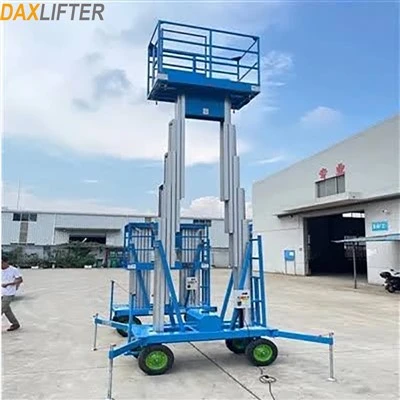
This situation is particularly pronounced in scissor lifts, which account for approximately 80% of the market, although opportunities may exist in boom lifts. Currently, telescopic boom lifts dominate the boom lift market and have undoubtedly been the driving force behind growth over the past few years. Articulated boom lifts have yet to gain widespread acceptance in China, indicating a still-immature market-a potential opportunity, but investing in this market cycle requires considerable courage.
It is estimated that the national equipment inventory is held by over 3,000 specialized rental companies. While some end users are purchasing equipment themselves in certain segments, rental companies still hold at least 95% of the equipment inventory.
The majority of equipment is located in the more industrialized eastern provinces, but new rental outlets in other developing regions are seeing increasing purchases. Central and western China have also become common trading hubs for used equipment from eastern provinces.
After experiencing explosive growth in the early 2020s, the aerial work platform market is clearly undergoing a period of adjustment. Off-Highway Research predicts the market will bottom out in 2026-2027, with annual sales remaining around 75,000 units, representing only 55% of the peak in 2024. This will be a painful adjustment.
Despite the challenging overall market conditions, opportunities remain in the coming years. As previously mentioned, the boom market has the potential for both growth and maturity. The operational pressures faced by both rental companies and manufacturers will drive them to explore new applications for aerial work platforms. As mentioned earlier, the current Chinese market is centered on construction applications, but there is significant potential for expansion into other end markets.
Electrification presents another major opportunity. Although approximately 95% of equipment currently sold is electric, full electrification is still possible by focusing on large booms and off-road platforms. China has made electrification a key strategic direction, and its driving force cannot be underestimated. For example, in earthmoving equipment, 80% of electric equipment sold globally last year came from the Chinese market (with another 10% exported by Chinese manufacturers), demonstrating the market's recognition of this technology. Given the vast domestic production capacity and increasingly fierce market competition, exports will become the lifeline for Chinese aerial work platform manufacturers. Of course, intensified international trade frictions and tariff barriers remain headwinds for exports. These factors are prompting Chinese manufacturers to build factories overseas, but establishing a competitive advantage in overseas markets and realizing a return on investment will take time.