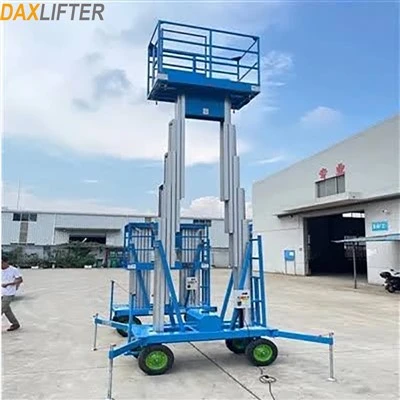
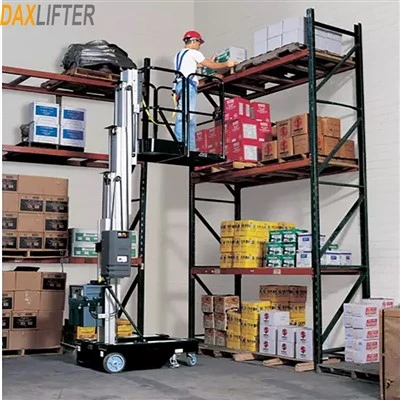
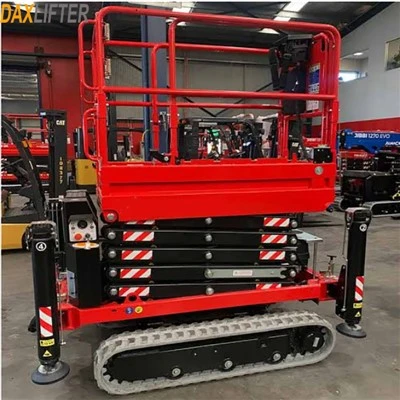
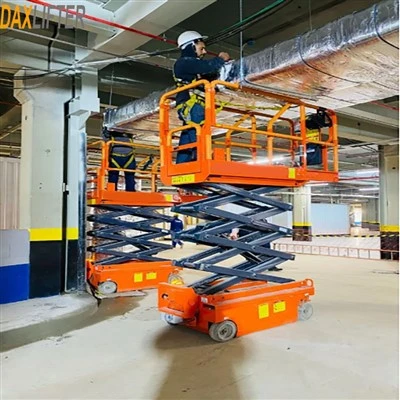
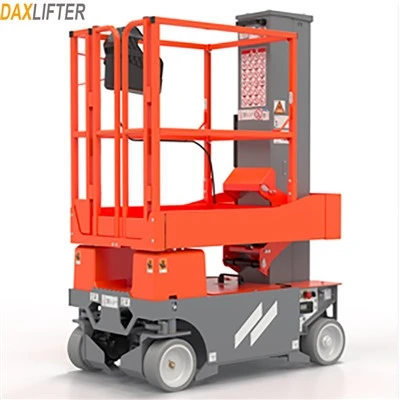
Scissor lifts are mobile supported aerial work platforms designed to safely vertically transport workers to various elevated positions at job sites across industries such as construction, retail, entertainment, and manufacturing. Unlike other types of aerial work platforms, hydraulic scissor lifts utilize a scissor-like, cross-brace mechanism to raise and lower the platform vertically. Although they share some hazards with scaffolding when extended and stationary, ensuring their safe operation hinges on understanding the equipment's capabilities, limitations, and adherence to safe work practices.
How to Ensure the Safe Use of Scissor Lift Platforms?
Employers must first conduct a workplace assessment to identify potential hazards and select the appropriate equipment for the task. When utilizing mobile scissor lifts, employers are responsible for implementing effective controls for fall protection, stability, and positioning. Only trained workers should operate scissor lifts, and employers must ensure these workers can use the equipment correctly. Safely operating electric scissor lifts also involves proper equipment maintenance, following the manufacturer's instructions, providing worker training and necessary Personal Protective Equipment (PPE), and enforcing safe work procedures.
Fall Protection Measures:
- Scissor lifts must be equipped with guardrail systems to prevent workers from falling.
- Operators should properly wear a safety harness, protective vest, and hard hat during operations.
- Employers must train workers to:
- Inspect the guardrail system before starting work to ensure it is correctly installed.
- Remain standing on the work platform at all times; never climb or stand on the guardrails.
- Position materials within easy reach to avoid leaning excessively outside the platform.
Stability Control:
Employers must ensure the aerial scissor lift remains stable to prevent tipping or collapse. The following safe work practices help maintain stability:
- Strictly follow the manufacturer's safety instructions for movement – this typically prohibits moving the lift while the platform is elevated.
- Establish work zones or implement traffic control measures around hydraulic scissor lifts to prevent contact with other equipment.
- Select firm, level ground for operation, avoiding hazards that could cause instability (e.g., steep slopes, pits, ramps, bumps, ground obstacles, or debris).
- Use scissor lifts outdoors only in suitable weather conditions.
- Outdoor-rated models are generally restricted to wind speeds below approximately 45 kilometers per hour (28 miles per hour).
Although rare, structural collapse of electric scissor lifts can be prevented by:
- Ensuring anti-collapse safety systems are maintained and never bypassed.
- Never exceeding the manufacturer's stated load capacity on the work platform.
- Never using other equipment (e.g., forklifts) to lift the work platform.
- Preventing the lift from being struck by other moving equipment on the worksite.


Positioning Management:
Proper positioning of the scissor lift is critical to avoid crushing and electrocution hazards. Workspaces using electric scissor access platforms present crushing hazards that can endanger personnel near the lift, including those not operating it. These hazards are similar to those posed by other workplace vehicles and mobile equipment. Employers should train workers to remain vigilant when:
- The moving scissor lift operates close to fixed objects.
- Other vehicles operate in close proximity to the lift.
- The mobile scissor lift passes beneath fixed structures, such as door frames or support beams.
Correct positioning is also essential to prevent electric shock, arc flash, and thermal burns when working near energized power lines. Electrocution can occur even without direct contact, as electricity can arc or jump from the power line to the lift or worker.
The following practices ensure safe positioning:
- Implement traffic control around the scissor lift to prevent unauthorized personnel or vehicles from approaching too closely.
- Use grounding rails when operating or moving the scissor lift.
- Choose a work location that maintains a minimum safe distance of at least 3 meters (10 feet) from power sources (e.g., lines, transformers) and avoids other overhead hazards (e.g., other utilities, tree branches, overhangs).
- If work near power lines is necessary, the employer must ensure workers are qualified and have received specific electrical safety training.
Maintenance Requirements:
Employers should schedule regular maintenance to ensure the scissor lift remains in safe operating condition (e.g., to prevent unexpected collapse of the lifting mechanism). The manufacturer's maintenance and inspection guidelines typically include:
- Testing and inspecting controls and components before each use.
- Verifying the guardrail system is in good working order.
- Confirming that the brakes, once set, securely hold the scissor lift in position.
Training Arrangements:
Employers must provide workers with training on hazard recognition and safe work practices relating to scissor lifts. Training must cover, at a minimum:
- Correct procedures for vertical operation and transport of the scissor lift (following manufacturer's instructions).
- Guidelines for handling materials on the platform, including weight limits.
- Other potential workplace hazards workers may encounter while operating the scissor lift (e.g., contact with power lines).
Furthermore, workers should be encouraged to proactively report any equipment defects or maintenance needs.