Working at elevation demands the correct equipment. Whether executing building maintenance, exterior construction, or facility upgrades, your choice of lift significantly impacts safety, efficiency, and cost.
Each aerial work platform serves a distinct purpose. Hydraulic scissor lifts deliver stable, vertical access, whereas boom lifts excel in extended reach and maneuverability. Recognizing these capabilities allows you to select the optimal, safest, and most economical solution for your site requirements.
1. Scissor Lift Overview
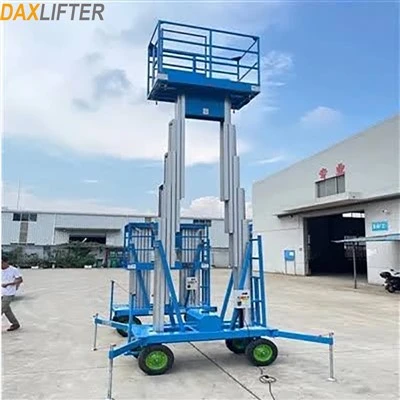
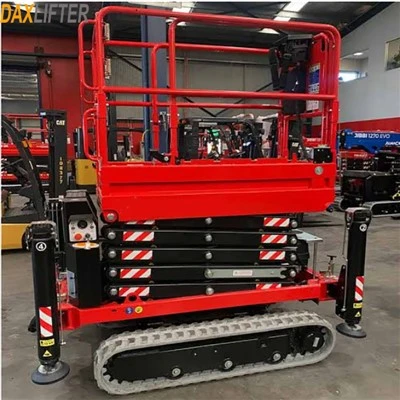
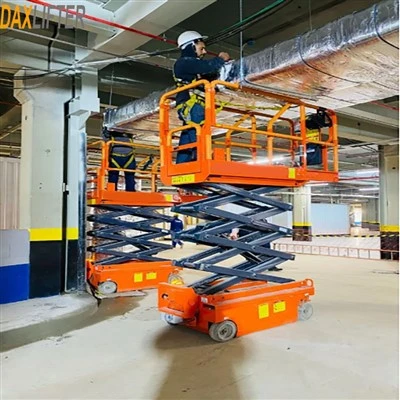
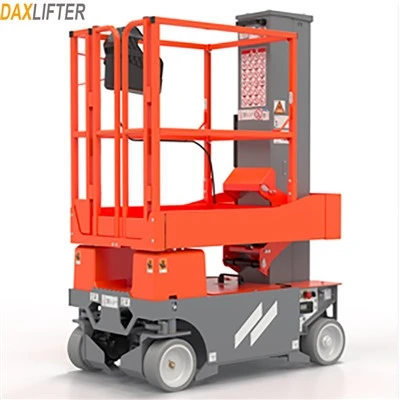
This platform is engineered for strictly vertical movement, transporting personnel and equipment on a solid base. Its mechanism employs crisscrossing supports that extend and retract in a scissor-like motion, powered by either electric or diesel systems.
Ideal applications include:
- Interior tasks on even surfaces
- Maintenance and electrical work
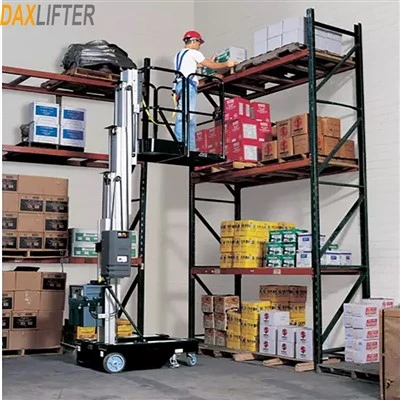
- Operations within warehouses and factories
- Projects needing a sizable, steady work area
Their quiet operation and compact footprint make them particularly suitable for indoor use or outdoor projects with limited overhead space.
2. Boom Lift Overview
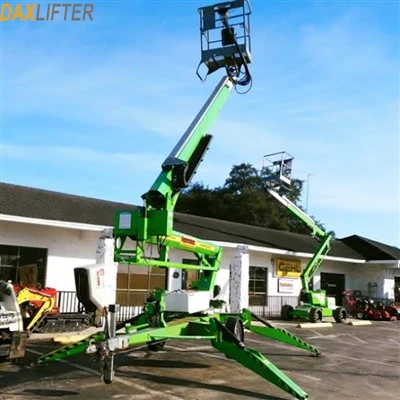
Also known as aerial work platforms, these machines feature hydraulic arms that articulate both upward and outward. This design is perfect for outdoor applications or navigating around obstructions.
They are best suited for:
- Construction and roofing projects
- Exterior cleaning or sign mounting
- Arborist work or utility line maintenance
- Rough or uneven terrain sites
Capable of reaching heights near 55 meters, aerial work boom lifts are built to perform in demanding outdoor conditions, far exceeding the vertical range of scissor lifts.
3. Comparing the Two Platforms
The core distinction involves mobility and coverage. Scissor lifts operate on a straight vertical path, while boom lifts offer multi-directional extension, enabling users to overcome obstacles and access overhead areas laterally.
Selection Guide:
- Opt for a scissor lift when priorities are platform stability, a generous work area, and tasks at low to moderate heights.
- Choose a boom lift for superior flexibility, broader outdoor reach, and the ability to work around impediments.
In summary: Scissor lifts serve indoor, vertical, mid-height tasks. Boom lifts handle outdoor, over-reach, and high-elevation work.
4. Cost and Efficiency Considerations
Rental rates for boom lifts are generally higher, reflecting their advanced reach and versatility. For straightforward, repetitive vertical tasks, scissor lifts often provide better cost efficiency.
5. Seasonal Rental Advice
Fall and early winter frequently involve exterior upkeep, signage projects, and final construction touches.
- For outdoor work in cooler weather, diesel-powered boom lifts are a robust choice.
- For interior projects, electric scissor lifts offer quiet, emission-free operation.
Proactive maintenance is crucial, as cold temperatures can impact hydraulic performance. Advance planning prevents delays and ensures peak equipment functionality.
For long-term needs, purchasing an aerial platform may be advantageous. DAXLIFTER, a respected manufacturer, provides reliable equipment and support. Contact us for information.